

The media plays a powerful role in shaping public understanding of social issues. Yet current reporting practices in Hong Kong on sexual violence can sometimes reinforce harmful stereotypes, deepen stigma, and unintentionally contribute to the challenges faced by survivors on their healing journeys.
Recognising the importance of responsible journalism, the Association Concerning Sexual Violence Against Women (ACSVAW) launched the Empowerment Through Narrative programme with support from The D. H. Chen Foundation. The initiative seeks to promote trauma-informed approaches to communicating about sexual violence, encouraging more thoughtful, respectful, and survivor-centred narratives among media professionals, content creators, helping professionals, and the wider public.
The programme’s first phase focused on engaging journalists and media practitioners, culminating in the development of the Trauma-Informed Journalism Guidebook and related resources (https://sv-news.acsvaw.org/). These practical tools support ethical reporting and media engagement around sexual violence. Participating journalists reported a stronger understanding of trauma-informed principles, while survivors shared that such approaches helped them feel safer, more respected, and more empowered when telling their stories.
Building on this foundation, the programme is now expanding its reach beyond traditional news media to engage tertiary students, emerging media practitioners, content creators, and wider audiences. Through partnerships with educational institutions and professional training programmes, ACSVAW aims to foster greater awareness of how narratives about sexual violence are created, shared, and interpreted across digital, educational, and public spaces.
Through workshops, training, educational collaborations, and public resources hosted by ACSVAW’s Anti480 Anti-Sexual Violence Resource Centre, the programme seeks to cultivate a more compassionate and informed communication environment. By encouraging responsible media reporting and amplifying survivor-centred perspectives, it challenges harmful stereotypes, reduces stigma, and promotes greater understanding of the impact of sexual violence. Ultimately, the initiative aims to create a culture where conversations are grounded in respect, empathy, and dignity — supporting healing for survivors and strengthening trust across society.
Dedicated to fostering a compassionate society, The D. H. Chen Foundation believes this initiative can help advance more respectful and informed public dialogue around trauma, contributing to a culture that better supports healing, understanding, and social change.
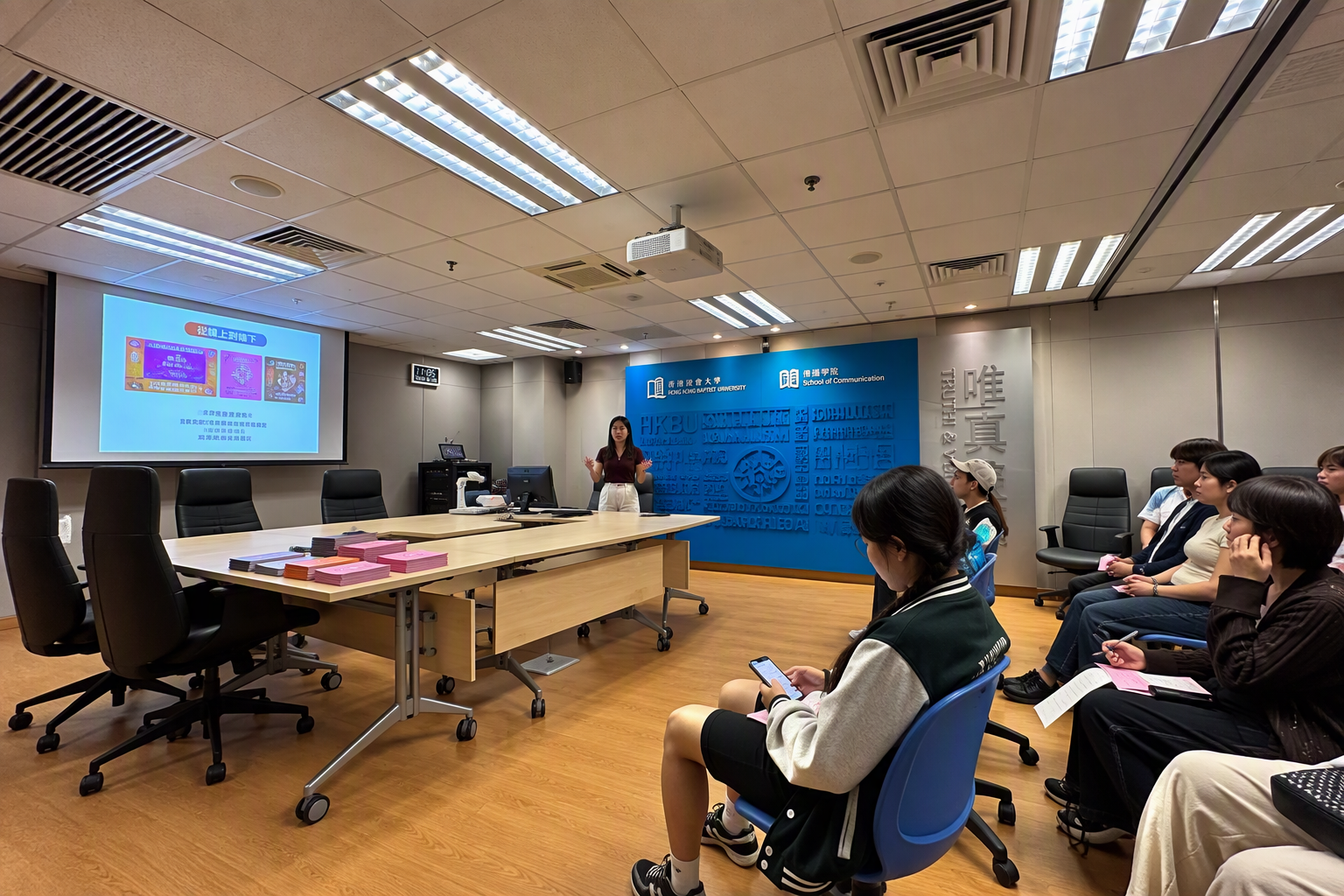
The Association hosting a trauma-informed reporting workshop for students at the School of Communication, Hong Kong Baptist University
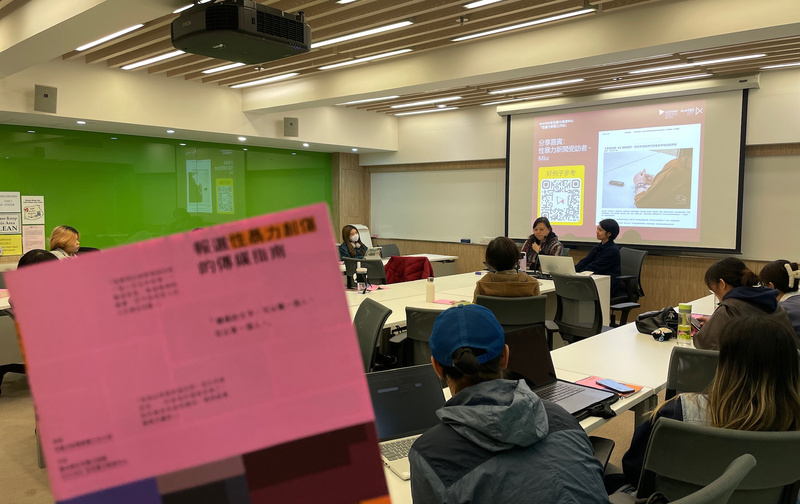
The Association co-hosting a workshop with a sexual violence survivor at the School of Journalism and Communication, The Chinese University of Hong Kong, sharing survivor-centred perspectives and insights
Through workshops, training, educational collaborations, and public resources hosted by ACSVAW’s Anti480 Anti-Sexual Violence Resource Centre, the programme seeks to cultivate a more compassionate and informed communication environment. By encouraging responsible media reporting and amplifying survivor-centred perspectives, it challenges harmful stereotypes, reduces stigma, and promotes greater understanding of the impact of sexual violence. Ultimately, the initiative aims to create a culture where conversations are grounded in respect, empathy, and dignity – supporting healing for survivors and strengthening trust across society.
Dedicated to fostering a compassionate society, The D. H. Chen Foundation believes this initiative can help advance more respectful and informed public dialogue around trauma, contributing to a culture that better supports healing, understanding, and social change.