
In Hong Kong, discussions about death, loss, and mortality remain uncommon, leaving many people unprepared to navigate these realities when they arise. While awareness of the importance of end-of-life planning is growing, many still struggle to talk openly about life’s final chapter or make sense of the emotions that accompany grief and loss. Without opportunities for open dialogue and reflection, people can find themselves facing these experiences without the language, understanding, or support they need.
To address this gap, The D. H. Chen Foundation collaborates with Alongside Limited, a social enterprise dedicated to inclusive life-and-death services and public education, to launch a year-long cultural initiative that encourages more open, compassionate conversations about death and loss.
Through a series of engaging online and offline experiences, the initiative seeks to normalise discussions about mortality, validate often-unspoken emotions, and create opportunities for collective reflection. By reaching the audiences who are rarely engaged in life-and-death conversations, the programme aims to make these conversations a natural part of everyday life rather than a subject shrouded in fear and taboo.
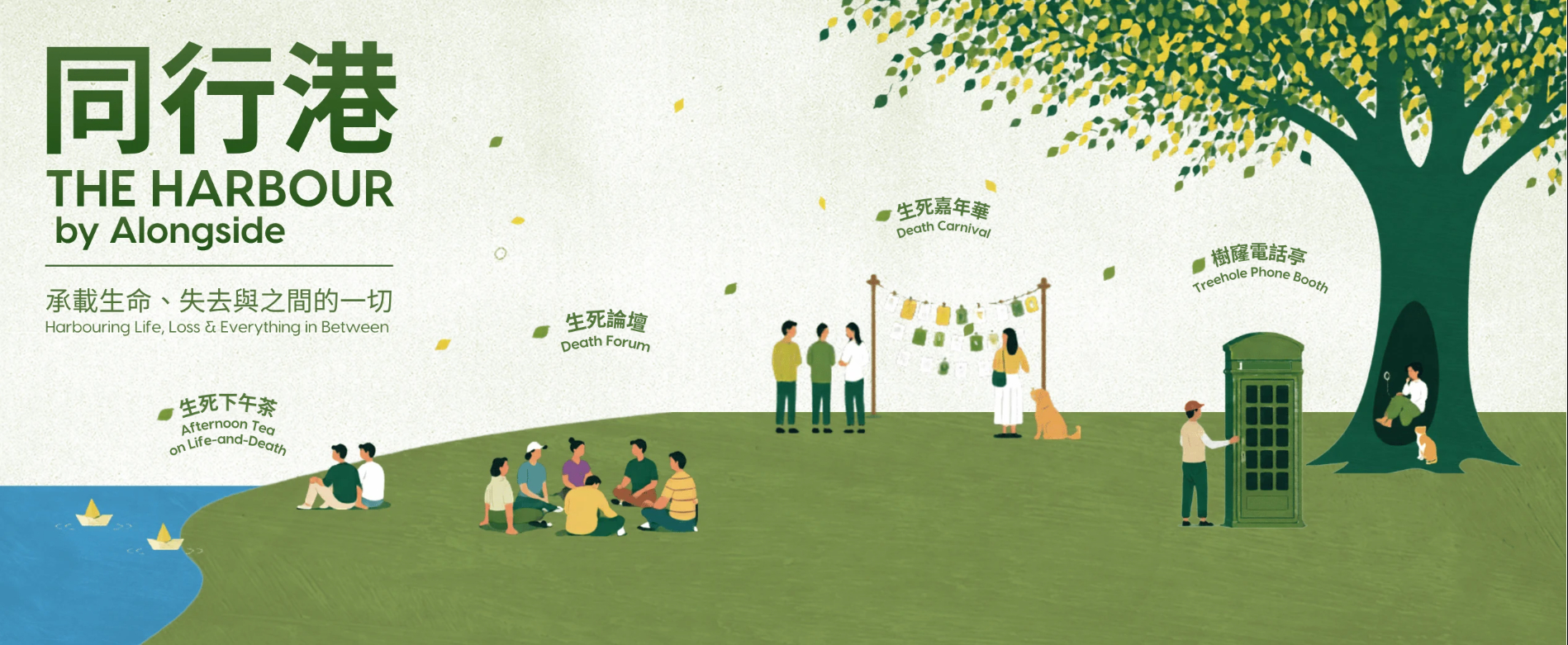
The initiative brings together a range of activities designed to engage diverse audiences:
Online Awareness: Afternoon Tea on Life and Death is a monthly video series that invites the public to explore life, loss, and mortality through accessible and thought-provoking conversations.
Safe Spaces for Reflection: The Treehole Phonebooth and Grief Mailbox offer welcoming outlets for people to share personal stories, reflections, and experiences, helping individuals feel seen, heard, and supported in their grief.
Public Cultural Engagement: The Death Carnival reimagines how we engage with death through art, music, creativity, and community participation – transforming fear and avoidance into opportunities for remembrance, connection, and love.
Community Dialogue: The Death Forum provides an open, respectful, and non-judgmental space for deeper conversations about death, grief, cultural taboos, and the meaning of life, fostering a stronger and more death-literate community.
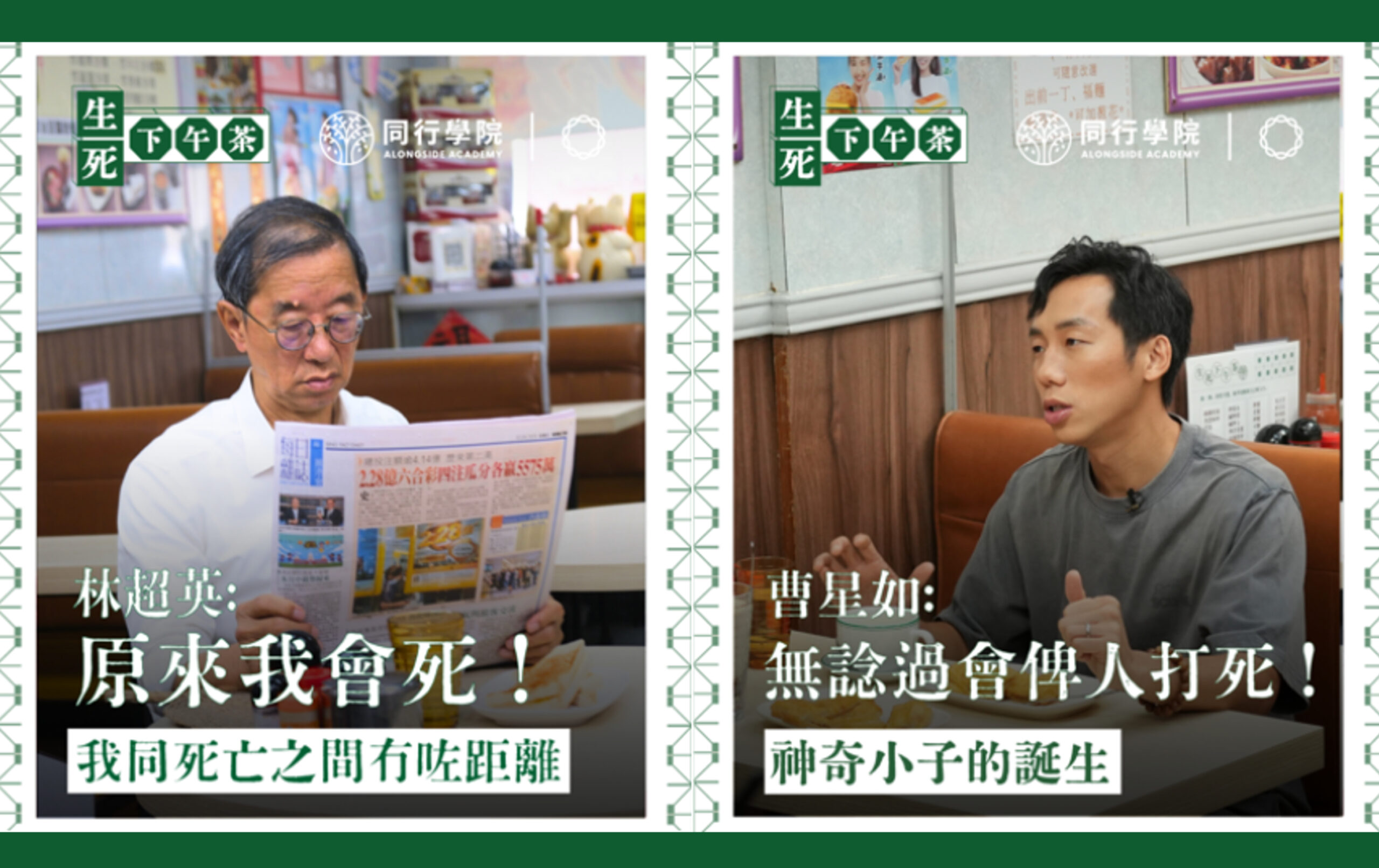
The monthly video series, titled "Afternoon Tea on Life and Death", invites celebrities and youth key opinion leaders to engage in open, thought-provoking conversations about life, loss, and mortality. Previous guests include Lam Chiu-ying and Rex Tso Sing-yu.
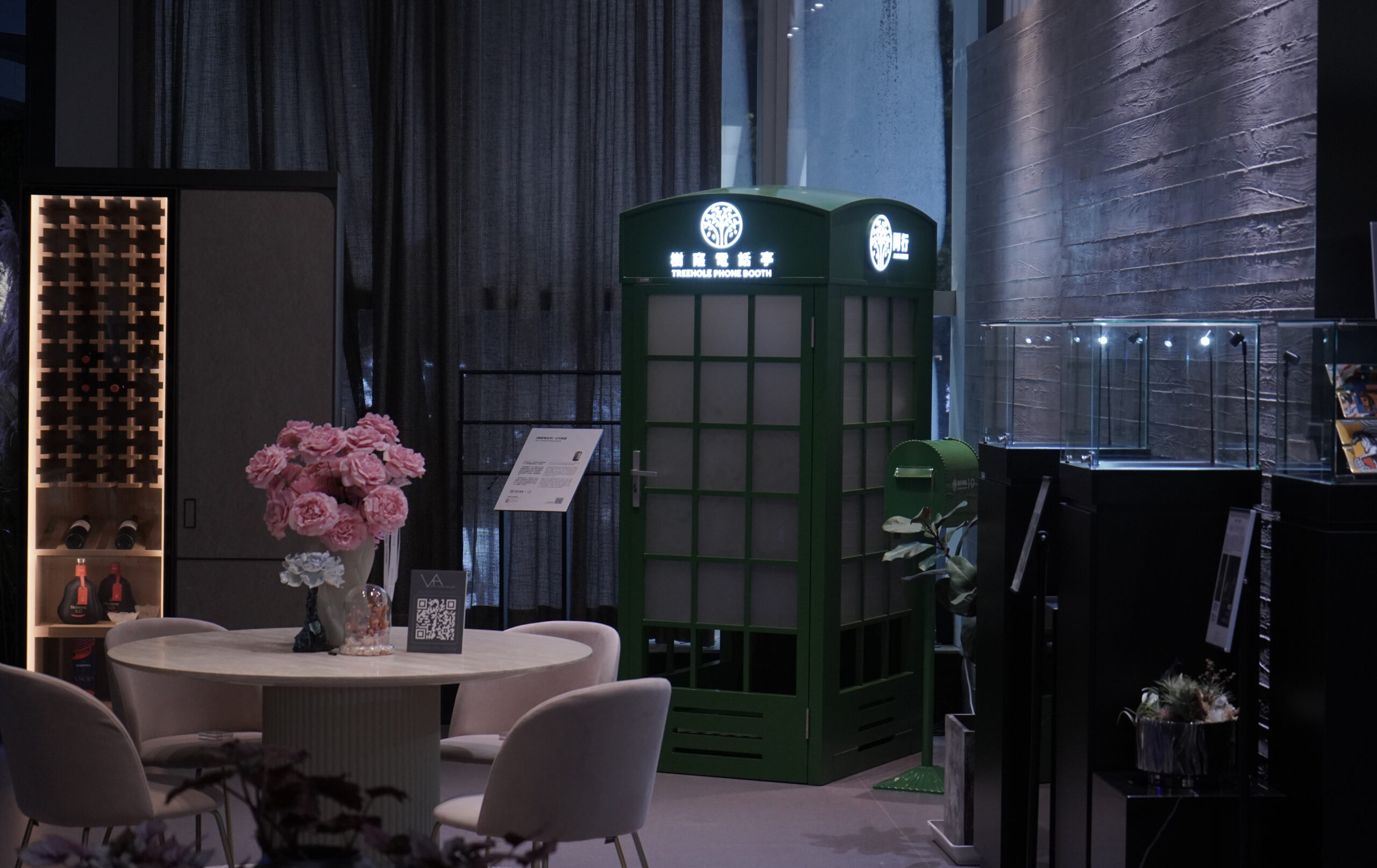
The Treehole Phone Booth and Grief Mailbox was installed in a café at The ONE. Other locations include Broadway Cinematheque, Eaton Hotel, and The University of Hong Kong.
The Foundation sees this initiative as a catalyst for long-term cultural change. In the near term, it aims to deepen public understanding of grief and create a collective archive of stories, reflections, and experiences surrounding loss. Over time, the initiative seeks to cultivate a community where people can talk openly about death, plan ahead with confidence, and recognise dying well as an important part of living well. Through these conversations, the programme aims to foster greater preparedness, compassion, and peace for individuals, families, and the wider community.
Click here for more programme details.